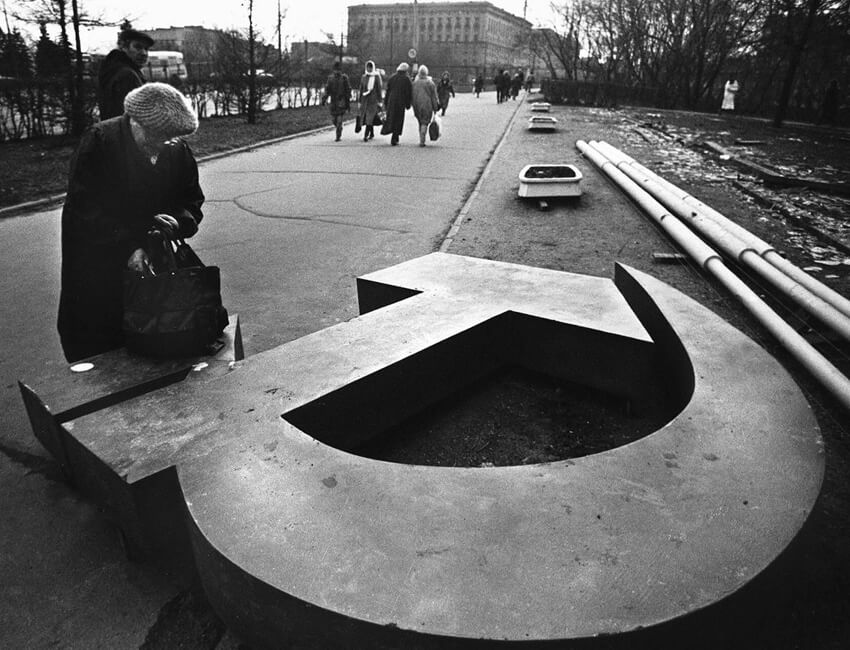
Socialism and communism are political ideologies that have shaped the course of history and influenced socio-economic systems across the world.
While often used interchangeably, these terms represent distinct philosophies with different goals, methods, and approaches. In this article, we aim to explore and elucidate the key differences between socialism and communism, shedding light on their respective ideologies and their implications for society.
Let's Define Socialism
Socialism is an economic and political ideology that advocates for collective ownership and control of the means of production, distribution, and exchange. It seeks to address the perceived inequalities and injustices of capitalism by prioritizing economic equality, social welfare, and public ownership of key industries. Under socialism, the state, the community, or workers’ collectives hold ownership and control over resources and means of production.
In a socialist system, wealth and resources are often redistributed through progressive taxation and social welfare programs. The goal is to create a more equitable society, where the needs of all members are met and social hierarchies are minimized. Socialism can manifest in various forms, ranging from democratic socialism, which emphasizes democratic processes and social welfare within a mixed economy, to more centrally planned socialist models.
What Exactly is Communism?
Communism, on the other hand, is a more radical and revolutionary ideology that seeks to establish a classless, stateless, and moneyless society. Rooted in the works of Karl Marx and Friedrich Engels, communism envisions the complete abolition of private ownership and the establishment of a communal society where resources are shared collectively. The ultimate goal of communism is the achievement of a communist utopia, characterized by the principle of “from each according to their ability, to each according to their needs.”
Communism advocates for the complete dismantling of the capitalist system, including the overthrow of the bourgeoisie (capitalist class) through a proletarian revolution. It rejects the idea of a state as an instrument of oppression and aims for its eventual dissolution. In communist theory, a transitional phase called socialism is believed to be necessary to bridge the gap between capitalism and the ultimate realisation of communism.
Key Differences
Ownership and Control
Socialism allows for various degrees of ownership, ranging from public ownership to worker cooperatives, while communism advocates for the complete abolition of private property and the establishment of communal ownership. Under socialism, the state often plays a role in owning and managing key industries, whereas communism envisions a society where all property is held collectively.
Transition and Revolution
Socialism can be seen as a transitional phase towards communism. While socialism seeks to address inequalities through reforms and democratic processes, communism advocates for a revolutionary overthrow of the capitalist system to establish a classless society. Communists argue that socialism is a necessary step towards achieving communism.
Role of the State
Socialism generally involves a more significant role for the state in planning and regulating the economy. The state may manage key industries and distribute resources to ensure equitable outcomes. In contrast, communism envisions the eventual dissolution of the state, as it is considered a temporary tool used to establish and maintain socialism.
Individual Freedom and Equality
Socialism seeks to address economic inequality and promote social welfare while preserving individual freedoms within the framework of a mixed economy. Communism, on the other hand, emphasizes collective ownership and equality over individual rights, viewing individual freedoms as products of a class-based society that will eventually wither away.
While socialism and communism share common origins and aspirations for a more equitable society, they differ in their approaches, goals, and methods. Socialism focuses on achieving economic equality, often within the framework of democratic processes and a mixed economy.
Communism, on the other hand, pursues a more radical vision of a classless, stateless society through revolutionary means. Understanding the distinctions between socialism and communism is crucial for engaging in informed discussions about political and economic ideologies and their implications for society.